
Recovering from major surgery or managing a chronic condition can be unpredictable. You may face challenges that need special care to help you heal properly. That is why it is so important to find the right support. At Booker T. Washington Skilled Nursing and Rehabilitation in Shreveport, LA, we offer wound therapy that looks at your overall well-being, not just the injury. We believe true healing means caring for the whole person.
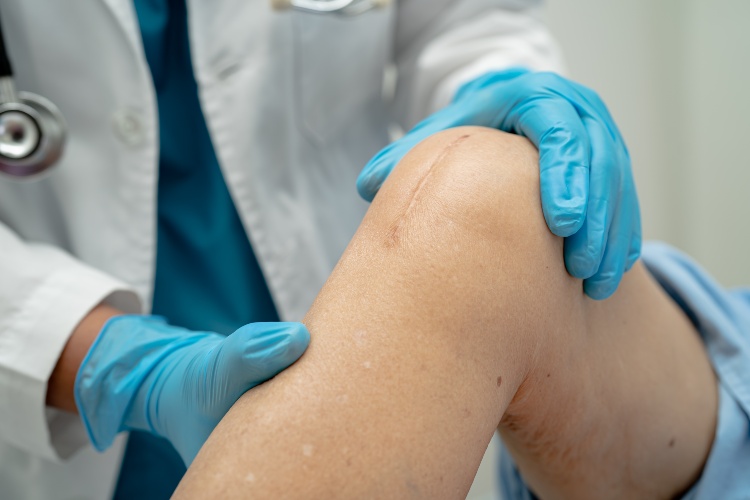
Wound Therapy From Skilled Professionals in Shreveport, LA
What Is Wound Care?
Wound care is a special area of healthcare that focuses on treating both new and long-term injuries. It is more than just covering a wound. Experts carefully check the size and depth of the injury and watch the nearby skin for any signs of infection or problems. This helps them adjust the treatment as you heal. Whether you have a pressure ulcer or a diabetic foot wound, the main goal is to prevent serious issues like infections and help you recover faster.
Does Skilled Nursing Involve Wound Care?
Skilled nursing facilities, like Booker T. Washington Skilled Nursing and Rehabilitation, are important for people with medical needs that are too complex to manage at home. These centers have licensed professionals available around the clock to help with tough recovery situations. Nurses and therapists work as a team to keep a close eye on every part of a patient’s health. This setup means they can act quickly if a wound is not healing or shows signs of infection. With daily support and medical care, patients get the steady attention they need for serious injuries.
The Benefits of Advanced Wound Management
When you get dedicated wound care with us, you’ll see that it has clear advantages over managing complex injuries on your own. The biggest benefit is catching problems early. Staff are trained to notice the small signs of skin failure or infection that others might miss. This setting also helps the care team communicate better. Doctors, dietitians, and nurses work together to create a plan that covers nutrition, mobility, and the injury itself.
Types of Post-Surgical Wounds
Recovering from surgery can be challenging, and the type of procedure and your overall health both play a role. Taking care of surgical wounds means watching them closely to make sure they heal well and do not get infected. We help patients manage many kinds of wounds, including:
- Incision sites are standard cuts made during surgery that need to be kept clean and dry to prevent bacterial entry.
- Dehiscence occurs when a surgical incision reopens efficiently and requires immediate medical attention to prevent further complications.
- Complex draining wounds often require Negative Pressure Wound Therapy to remove excess fluid and promote new tissue growth.
Supporting Patients Through Recovery and Transition
Healing is not finished when the wound starts to close. Rehab services help you regain strength and movement that may have been lost during recovery. Therapists work with you to make sure you can move safely without harming the wound. We also teach patients and families how to care for wounds at home. Learning to spot warning signs and knowing what foods help skin heal are important for long-term health.
Why Choose Us for Wound Care
When you look for a care facility in Shreveport, it is important to find a team that is skilled and compassionate. We are proud to offer wound care that fits each resident’s needs. Our goal is to make you comfortable so you can heal without extra stress. Our team has many years of experience with all kinds of wounds, from diabetic ulcers to tough post-surgery recoveries. By choosing us, you get a partner who wants to help you get back to your best life.
Frequently Asked Questions
Does Medicare cover wound care in skilled nursing?
Yes, Medicare usually covers these services if certain rules are met. You will need a hospital stay of at least three days and a doctor’s order saying skilled care is needed. Our admissions team can check your eligibility and explain any possible costs.
How often are wounds assessed?
Our licensed nurses check wounds regularly to see how they are healing. How often they check depends on how serious the wound is, but for new or severe wounds, they usually look every day. This way, we can quickly change the treatment if healing slows down.
Can family members visit during treatment?
We welcome family members because their support is important for recovery. Visitors can join us for home care education sessions, too. Please call our front desk to find out about visiting hours and any safety rules.
Plan Your Visit Today!
Your health matters. If you or someone you care about needs wound therapy or skilled nursing, please schedule a visit. We invite you to visit our facility, meet our staff, and see what we offer. Let us show you how our care can help your recovery.